Bike Theft Research
Filling the Gaps on Bike Theft Research – Overview and Ideas. And a grant.
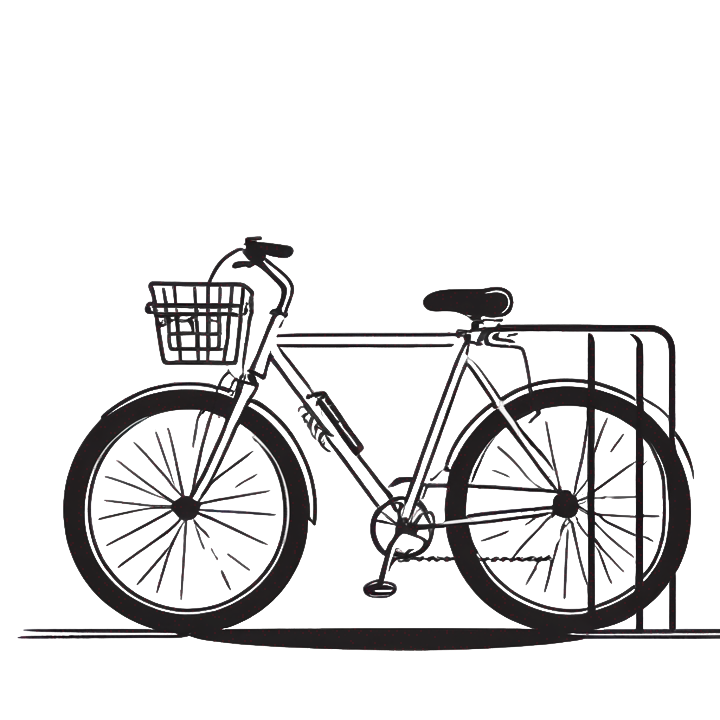
Academic studies about bike theft and its prevention.
Bike theft is an important problem and some research has been undertaken to describe facts and patterns of bike theft. There are also a number of studies on successful bike theft prevention measures. In our curated links on bike theft section we have created a bike theft research category. This category helps practitioners to better understand bike theft. In addition, it can inspire researchers for further research projects. Below we propose a number of bike theft research topics which merit further work.
We actively work with universities to encourage students and researchers on academic work to reduce bike theft. Please suggest additional ideas.
Victims vs. Data Protection.
GPS trackers help to locate stolen bikes. But what if somebody who already bought the stolen bike in good faith is tracked? Can/should you publish the location of the stolen bike? There are numerous reports of frustrated victims who know the location of the stolen bike but a police refuses to intervene because of privacy reasons.
Online Marketplaces and Bike theft.
Most bikes are stolen to be resold. However, there is very limited research on the distribution channels of stolen bikes. What share of stolen bikes in sold on Facebook marketplace and similar platforms? What theft prevention precautions do online platforms already provide , and what else could platforms do?
The role of middlemen/fences.
Who are fences who resell stolen bikes? Thieves are often marginalised individuals and rather immune to the threat of law enforcement, but fences may be not. If criminal law does not work, can taxation be used to sanction fences? What if resellers of presumably stolen bikes have to pay thousands for commiting tax fraud by not paying VAT and profit taxes.
Who buys stolen bikes?
We estimate that in the last ten years, some 15 million stolen bikes were bought in the EU. Thieves steal to sell, and better understanding of the buyers may help to reduce the demand for stolen bikes.
Bicycle registration.
Bike registration reduces theft, increases recovery of stolen bikes and helps to charge the thieves.There are a few successful private and public bike registries, including bikeindex.org, bikeregister.com, bicycode.fr, bikebaze.nl or mybike.belgium.be
Research on the role of bike registries, their financing and interoperability is a promising field to contribute to reducing theft.
Impunity for bike thieves?
Available evidence shows that bike thieves are rarely identified and even less are charged. Under one percent of thefts result in sanctions for the thief. The possible decriminalisation of bike theft also appears to be the entry door for young delinquents into a criminal career.
Who’s in charge?
A multitude of stakeholders are affected by bicycle theft: Cities, regional and national governments, law enforcement, marketplaces, insurers, the bike sector. Do we need the role of a bike theft coordinator?
The bike theft ecosystem.
The effects of bike theft are not black and white. It is clear that cyclists are the main losers, but for other stakeholders the picture is less clear. Bike shops and manufacturers sell less because some victims stop cycling and some users buy stolen instead of new bikes. But, many victims replace their stolen bike with anew bike. Bike theft insurances exist because of theft, but theft payouts are costly.
Travel grants to present bike theft research.
In order to promote research and its diffusion, a.bike offers up to three travel grants of 250€ each for bike theft related research presented at a conference or workshop. The rules are simple:
- Research on bike theft or bike parking should be published online.
- Research could be thesis, student seminar paper etc. and be finalised in 2026.
- Written recommendation by supervising professor.
- Research written in any EU language with a detailed summary in English.
- Research presented at a sustainable mobility related conference/meeting which requires traveling.
- Acknowledgement of the travel grant in footnote of the conference paper.
- Successful candidates agree to be mentioned on the website of a.bike
Candidates are invited to submit their resaerch paper, the recommendation and details on the conference by email, before attending the conference/workshop. a.bike aims to reply and decide within seven working days. The payment will be made after the presentation. Candidates will also receive a certificate for the grant. Travel grants are not anymore available once three grants have been awarded or after 31 December 2026.
.
Bike theft matters.
In the EU alone, 30 million bikes were stolen in the last ten years. Besides the financial damage close to one billion Euros, victims often stop cycling and millions of Europeans do not cycle at all, or cycle less because they fear theft. Theft is a major contribution to transport poverty.
Read our detailed our detailed analysis on the impact of bike theft on cycling or watch our short slides on bike theft statistics.